In today’s lecture from Nicholas Oddy we discussed what makes great design. He gave a few examples of what could be considered great design and explained come context around each to give some reasons on why they might be considered to be regarded so highly. The definition of great design is very ambiguous and it is clear that just because something is considered as ‘great’ design, it doesn’t mean that there are shortcomings to various aspects of the design. I think in the context that Oddy was discussing ‘great’ is often considered to mean important.
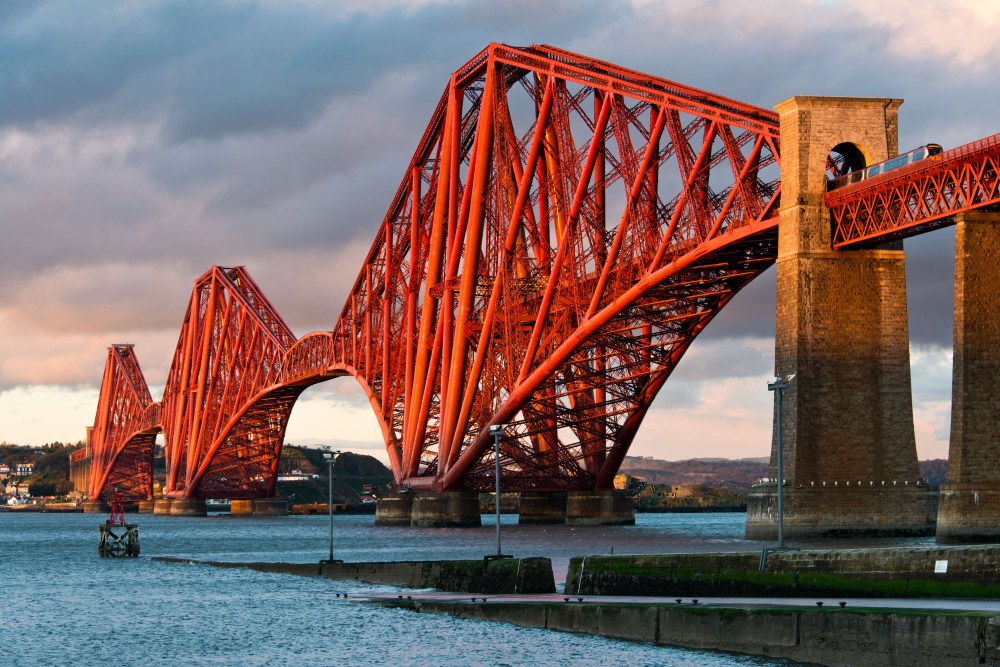
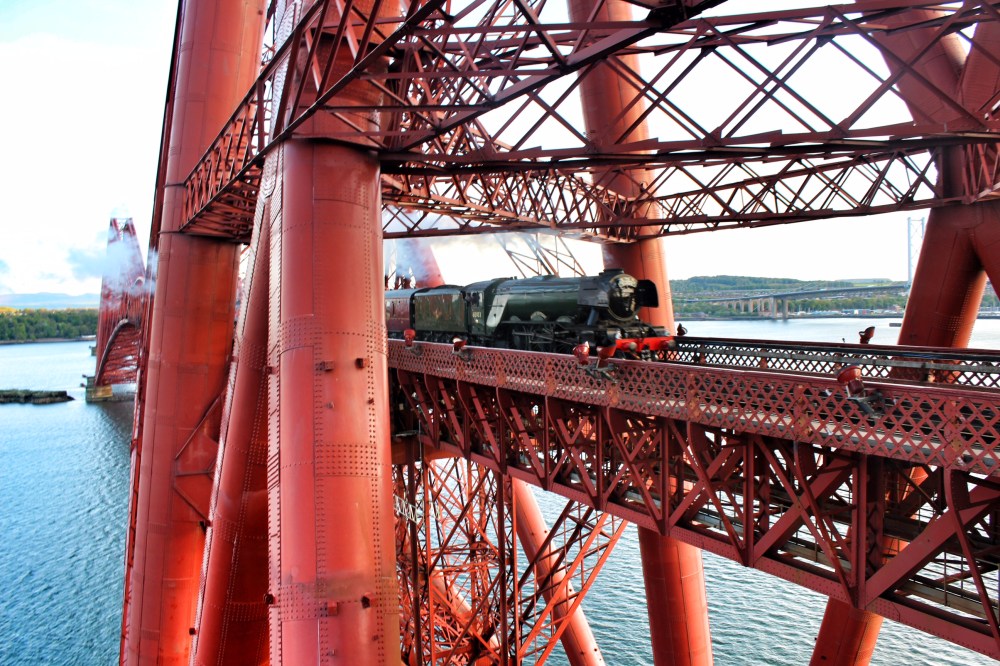
Going through examples of designs, reasons that they are widely regarded as ‘great’ ranged massively. The Forth Bridge is widely regarded as an icon of 19th century Scottish engineering however, if it was built today, it would be regarded as hugely over engineered and an inefficient use of resources. This shows that the new and revolutionary is often a reason for something to be considered as great design.
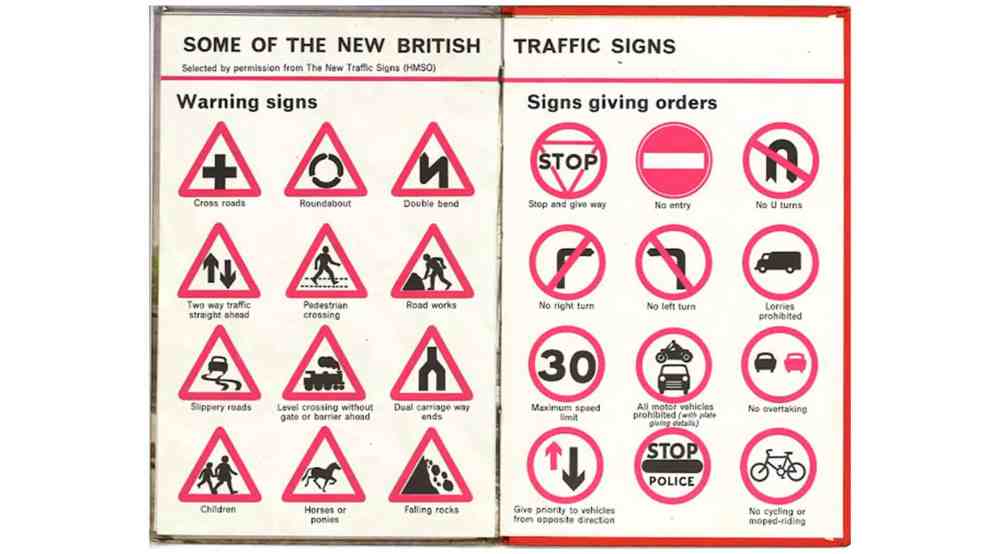
One of the examples that I found interesting in this lecture was Margaret Calvert’s traffic sign designs. These designs have been untouched since 1965 because they simply don’t need to be, they have stood the test of time. There are very few other designs that I can think of from the 60s that are still relevant and successful to our society that has dramatically changed in the last 50 years. Due to the fact that these signs were designed by a female, they can also be considered an important part of feminist design. The design of the warning sign featuring the children can also be considered as feminist design due to the fact that it is the larger female leading the younger male. This shows that in some cases designs that prod at social politics is one way to think about great design.
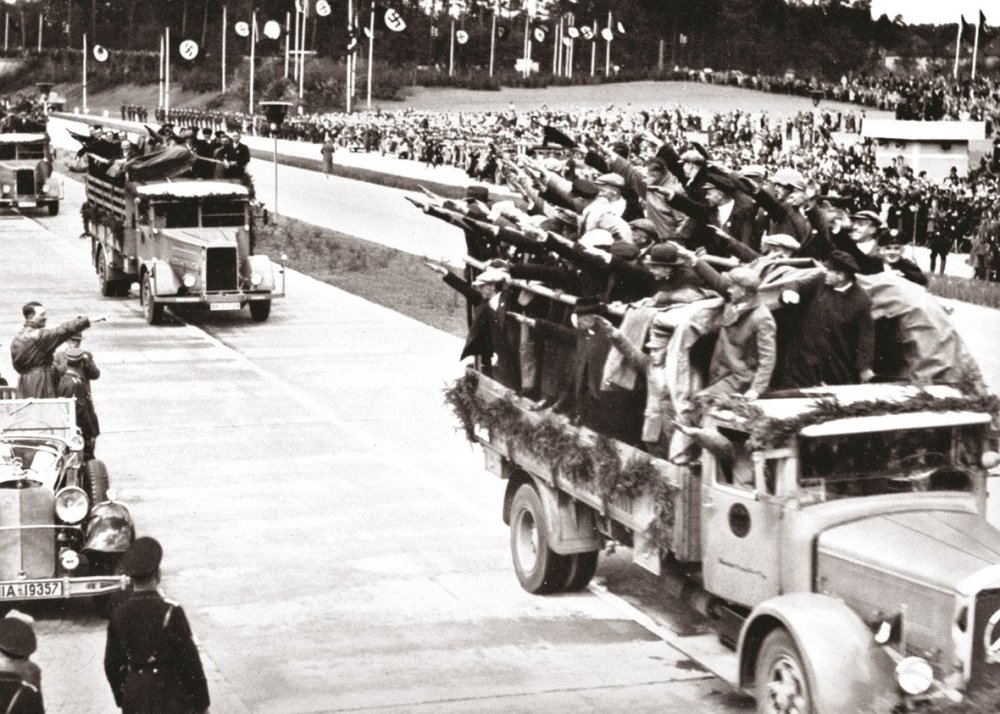
Another interesting example given was the design for modern motorways. The Nazis ploughed the way for other countries with the invention of huge, wide, straight roads for cars. They were built to move resources around more easily in hopes of improving their war effort and were soon adopted my many other developed countries. While the invention of motorways clearly has improved the infrastructure of many places, the fact that the Nazis used these roads to fuel the war makes them somewhat problematic. The affiliation of the design with the Nazis means that the modern designer might not be able to easily state whether they think it is a piece of great design or not. To me, this echos the argument of whether we should separate artists from their art. Because of the congestion and pollution that now occurs on motorways, they are often perceived as bad design if anything so I think this is also an example of how great design due to necessity at one point in time may not be considered so great when that necessity isn’t so prominent in the future.
I think that there are many contradictions that come up when trying to define things that make great design, for example it is often said that something can be considered to be great design because of the fact that you don’t even notice yourself interacting with it. However, on the other side of the coin you could easily argue that something is not great design because it doesn’t stand out enough. I think that the question of what makes great design is is something that everyone has their own ideas about and there is definitely not a singular answer.
One thing that I do not think was appropriately addressed during the lecture is the difference between what an individual determines as ‘great design’ for their particular needs and their particular life as opposed to what ‘the establishment’ deems worthy of the label ‘great design’. In my opinion Oddy failed to acknowledge the difference between the two points of view and didn’t give much value a humble individual’s opinions on what works well for them. While it is obviously important to understand what the establishment think of as great design and why, I think we should be focusing on establishing what we think of as great design as designers ourselves in order to create work that we can think of as great design ourselves. At this level, to me, great design can be as simple as something that achieves the goal it set out to do.
When I think about what may be seen as great design for the future of our urban environments, I think it will be things that stand the test of time, improve our communities and combat against or work to improve environmental damage. I hope that things aren’t just done to improve convenience but are instead done to actually make living in an urban environment healthier for us and the planet.
 Jess Vinnels' Design Blog